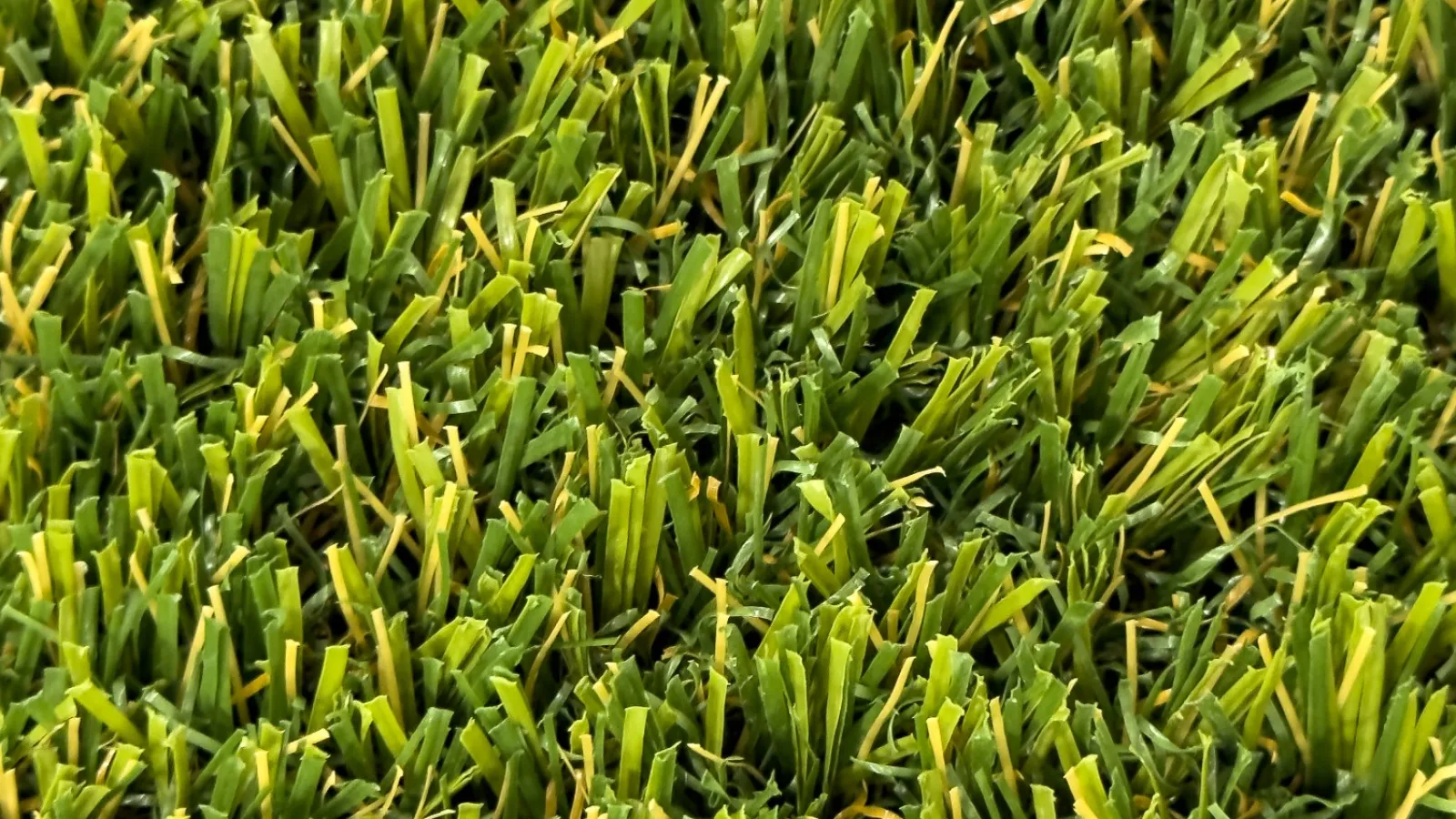
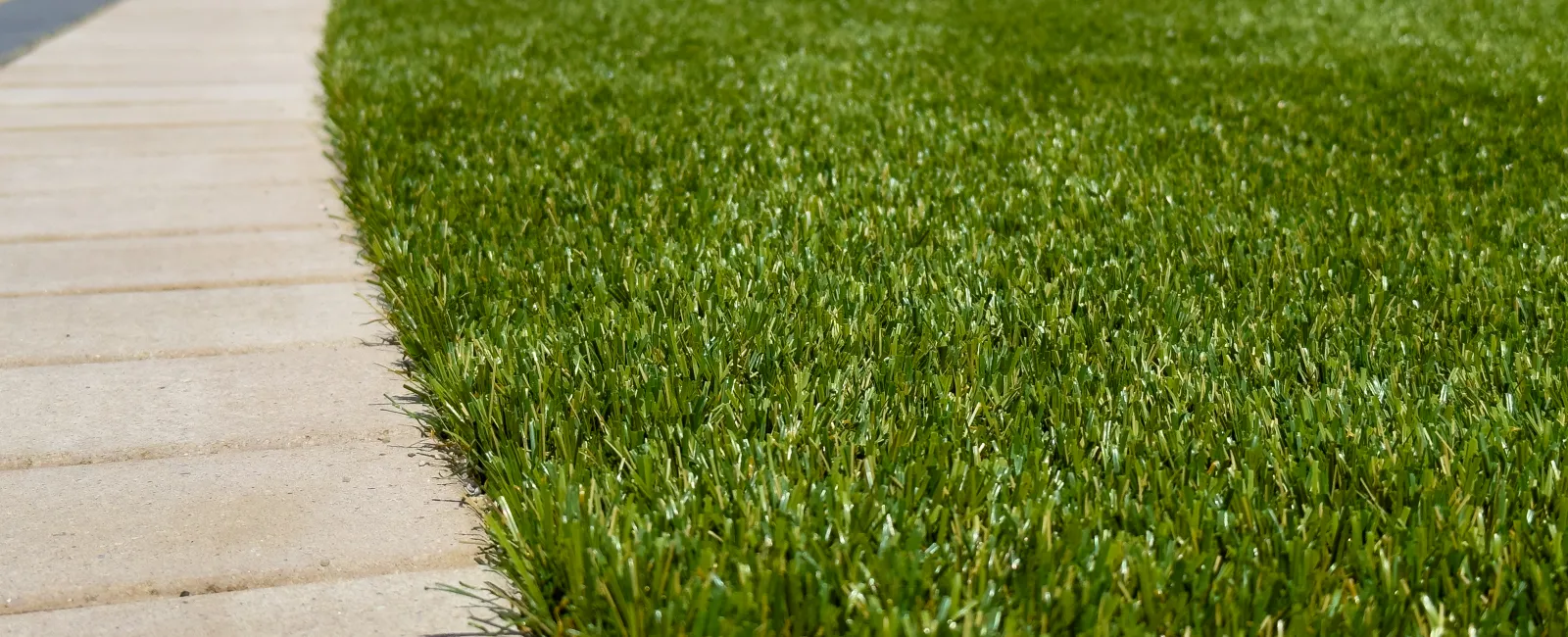
Artificial grass can completely transform a space, creating a clean, green, and consistent appearance year-round. One important detail that often gets overlooked is edging. The right artificial grass edging materials help secure the turf in place while delivering a crisp, professional-looking finish that defines the entire installation.
For both homeowners and contractors, selecting the right edging products is a key part of building a long-lasting system. Quality edging helps maintain structure, prevents shifting, and supports a clean transition between turf and surrounding surfaces.
That's why many people look for the best edging option for artificial grass because the materials used at the perimeter can directly impact both performance and appearance over time.
The Role Of Edging In Artificial Grass Installations
Edging creates a strong boundary around artificial turf that keeps it from shifting, lifting, or spreading over time. Without edging, even the best turf can lose its shape or allow the base materials to wash away after rain. It acts as the frame that holds the lawn together while maintaining a smooth transition between turf and surrounding areas.
When we install edging, we make sure it fits the layout of the space and supports long-term durability. A well-installed edge makes maintenance easier and prevents debris or soil from creeping into the grass.
It also adds to the curb appeal and gives the project a finished, high-end look that lasts for years. Many people are surprised at how much difference the right edging makes once the project is complete.
Common Materials Used For Artificial Grass Edging
Several materials are available for edging artificial grass, each offering distinct strengths, durability, and aesthetic appeal. Common options include timber, metal, concrete, bender board, and plastic, each suited to specific design goals, budgets, and surface types.
Timber provides a natural, classic appearance, while metal brings a sleek, modern finish. Concrete delivers long-lasting stability, and bender board or plastic adds flexibility for curved or irregular layouts.
Choosing the correct edging material prevents turf movement, keeps seams tight, supports proper drainage, reduces puddling, and minimizes uneven wear. Selecting the appropriate material enhances both functionality and visual appeal. This will help the installation maintain its form, longevity, and professional appearance over time.
Timber Edging
Timber edging is popular for homeowners seeking a natural, classic appearance. It blends seamlessly with gardens, patios, and plant-filled landscapes, giving outdoor spaces a cohesive, inviting look. Treated wood resists moisture and decay, providing a clean, organic frame for artificial turf while enhancing the visual warmth of the area.
Timber edging works well in curved areas or smaller lawn sections and can maintain its warm, natural tone for years with proper installation. Its versatility makes it suitable for a wide range of garden layouts. This allows homeowners to combine artificial turf with natural elements without compromising traditional aesthetics.
Regular maintenance helps preserve the wood's appearance and longevity, keeping the overall design looking polished and professional.
Metal Edging
Metal edging is a popular choice for modern landscapes due to its sleek appearance and superior durability. It creates sharp, defined lines that give artificial turf a crisp, clean finish while complementing contemporary design elements. Aluminum and steel are the most commonly used metals, both resistant to corrosion, weathering, and capable of withstanding heavy traffic over time.
Metal edging works well for minimal yet refined borders that enhance patios, pathways, and landscaped areas. Its strength makes it suitable for driveways, walkways, and high-use areas where durability is critical.
Over time, metal edging maintains its shape without warping, splitting, or deforming, providing a dependable and long-lasting solution for artificial grass installations. It also adds a polished, professional look that elevates the overall outdoor design.
Concrete Edging
Concrete edging presents a permanent solution for artificial grass installations. It is ideal for areas that require extra stability or experience frequent foot traffic. Concrete borders come with a wide range of design finishes, from smooth, simple edges to decorative patterns that coordinate with surrounding materials.
Properly installed concrete edging creates a seamless barrier that helps turf retain its original layout, even after years of exposure to changing weather. This type of edging also pairs beautifully with stone pathways or patios. It gives the landscape a polished and professional appearance that lasts.
Bender Board Edging
Bender board edging, made from recycled plastic or composite materials, offers a flexible solution for lawns that require gentle curves or irregular shapes. The material bends easily without breaking, creating smooth, flowing lines across the installation.
Bender board edging keeps turf edges secure while maintaining a natural flow within the landscape. Its lightweight, weather-resistant construction performs well in both residential and commercial applications.
This type of edging is affordable, low-maintenance, and ideal for projects that demand flexibility without compromising durability or aesthetic quality.
Plastic Edging
Plastic edging brings a cost-effective option for smaller turf areas or temporary installations. It is lightweight, easy to install, and available in a variety of colors and textures. While not as strong as metal or concrete, plastic edging performs effectively in controlled environments. It creates a neat separation between turf and gravel, mulch, or flowerbeds.
This edging style is convenient for quick upgrades or short-term projects. Plastic edging delivers an easy, affordable solution that maintains a clean, finished look for artificial turf installations.
Choosing The Best Edging For Your Space
The best edging for artificial grass depends on the project requirements, intended use, and overall design goals. For residential applications, materials like timber or bender board are often selected to create clean, natural-looking borders. In contrast, commercial and high-traffic installations typically require more durable solutions such as concrete or metal edging to ensure long-term stability and performance.
For homeowners and contractors purchasing materials, choosing the right edging comes down to balancing appearance, function, and durability. The proper edging system helps maintain clean lines, prevents shifting, and supports the overall integrity of the turf installation.
We supply and support a range of artificial grass installation materials designed to meet the demands of both residential and commercial projects. By considering key factors such as drainage, climate, and soil conditions, we help ensure the selected edging system performs as intended over time.
A well-designed edge is a critical part of a successful turf system—and using the right materials from the start helps ensure a clean, long-lasting result. If you're ready to upgrade your project or need guidance on selecting artificial grass edging materials, contact us today.